

Start with your skin type and preferred finish. Choose a matte or ultra-light sunscreen if you are concerned about shine, a hydrating or ceramide formula if comfort is the priority, or a tinted sunscreen when you want light coverage with daily SPF. Always check the individual product page for the stated skin type, finish, and directions.

Sunscreen for Everyday UV Protection
Choose your sunscreen by how you want it to feel and look on skin. A matte sunscreen can suit oily or shine-prone skin, while a lightweight serum sunscreen offers a breathable option for daily routines. If you want light coverage with your SPF, the All Day Protect Tinted Serum Sunscreen SPF 50+ PA++++ helps even the look of skin with a soft-glow finish.
For a smoother, shine-soft finish, the Matte Fit Serum Sunscreen SPF 50+ PA++++ is designed with oily and acne-prone skin in mind. The collection also includes brightening, ceramide, ultra-light, and water-burst formulas, making it easier to compare SPF level, finish, texture, and skin needs in one place.
Apply face sunscreen as the last step of your morning skincare routine and before makeup. Cover your face and neck evenly before sun exposure, then reapply as directed on the product label—especially when you are outdoors, sweating, swimming, or wiping your face.
Use the collection filters to narrow your options by skin type or benefit, then check the individual product page for full ingredients, finish, size, and application directions.
Sauver $7.00


Sauver $13.00

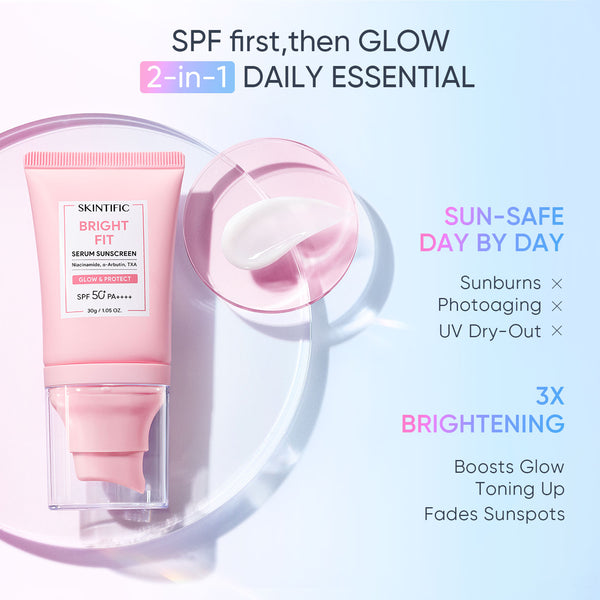
Sauver $4.00

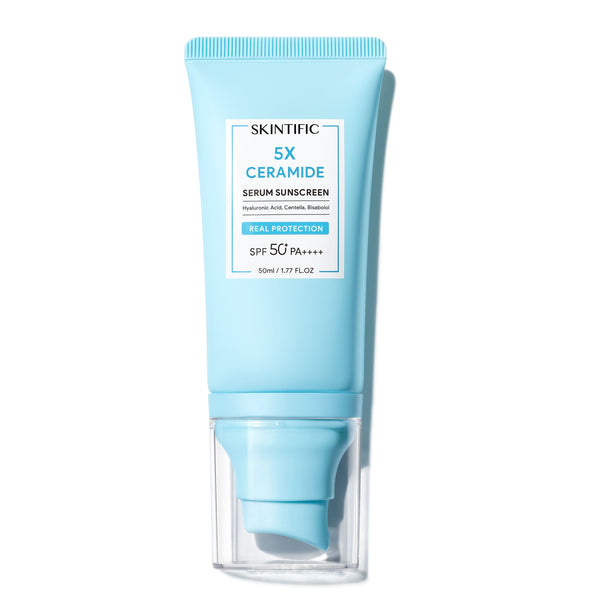

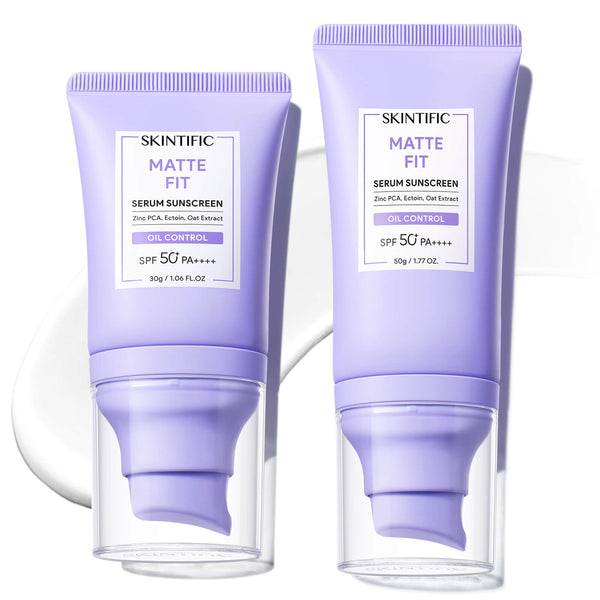
Sauver $13.00

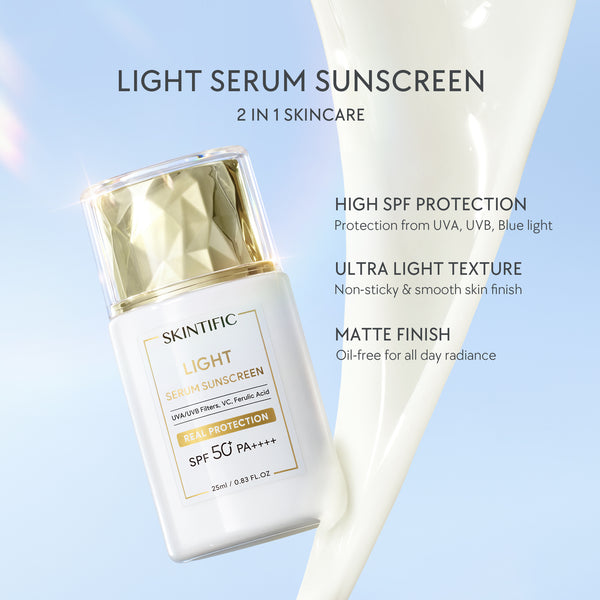

Sunscreen FAQs
A serum sunscreen combines sun protection with a lightweight, fluid texture that fits easily into a morning skincare routine. It is a useful option for shoppers who dislike a heavy or greasy feel, but the finish and ingredients still vary by formula.
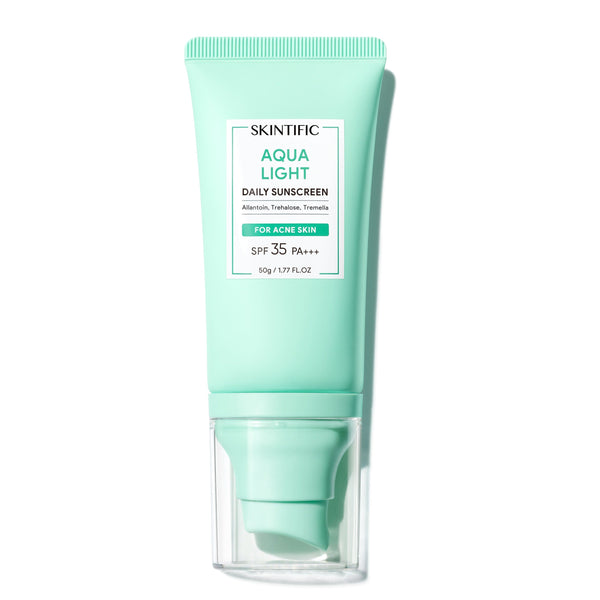
Look for a lightweight, matte, or water-burst formula that is specifically described for oily or acne-prone skin. In this collection, Matte Fit Serum Sunscreen and Aqua Light Daily Sunscreen are positioned for those needs. Check the full ingredient list and patch test if your skin is easily irritated.
Choose a formula whose product page specifically identifies sensitive skin as suitable, then introduce it gradually and patch test before full use. If a sunscreen causes persistent stinging, redness, or discomfort, stop using it and seek advice from a qualified healthcare professional when needed.
Tinted sunscreen adds visible pigment that can help even the look of skin and may reduce the appearance of a white cast. Regular sunscreen focuses on UV protection without added complexion coverage. Compare the finish, shade availability, and SPF information before choosing.